

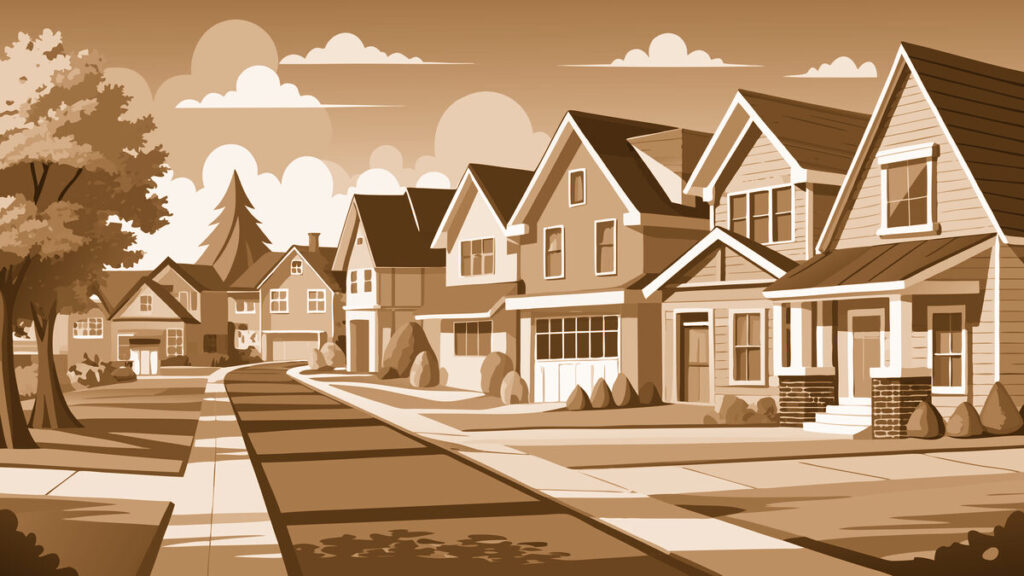
The Roots of Clyde Hill: A Place Above the Lakes
Nestled just west of downtown Bellevue, Clyde Hill stands on graceful, tree-lined hills with sweeping views of Lake Washington, the Seattle skyline, and the distant Olympic Mountains. While today it's known for its gorgeous homes, lush parks, and peaceful atmosphere, Clyde Hill’s roots stretch deep into the tapestry of Pacific Northwest history. For those who call it home, knowing its story brings even more meaning to each walk through quiet residential lanes or every visit to the local schools and parks.
How Clyde Hill Got Its Name
The story of Clyde Hill’s name is as charming as the neighborhood itself. In the early 20th century, as the Eastside was being settled, much of the land that would become Clyde Hill was dense forest dotted with small farms and orchards. The name is widely believed to have come from Scottish heritage — a nod to the picturesque River Clyde and Clyde Valley in Scotland. Early residents, perhaps longing for their homeland’s rolling hills and serene beauty, named this Bellevue neighborhood “Clyde Hill” to evoke those same qualities.
Early Days: From Timberland to Community
Clyde Hill’s transformation began in earnest in the 1940s and ‘50s. Before suburban development, the land was largely rural. Early settlers cleared some of the timbered slopes for small-scale agriculture, but large residential development was rare.
The pivotal change came post-World War II. The economic boom and Bellevue’s increasing appeal to Seattle commuters prompted developers and families to look east across the lake. Platted neighborhoods appeared, and roads like NE 24th Street, NE 20th Street, and 92nd Avenue NE began forming Clyde Hill’s framework. The community’s elevated position provided fantastic views, quickly making the area desirable for families seeking open space and scenery.
Becoming a City: Self-Governance and Early Growth
The push for local control led Clyde Hill to incorporate as a city in 1953. At that time, fewer than 1,000 residents called it home, but they shared a vision: preserve the tranquil, residential quality and avoid the unchecked sprawl affecting other nearby areas. Clyde Hill officially became a city with its own mayor and council, empowering neighbors to shape everything from road maintenance to building codes.
Clyde Hill’s municipal history is marked by a remarkable commitment to maintaining its character. The city prioritized large residential lots, strict zoning, and a lush, green ambiance. This careful planning is evident today on streets like 98th Avenue NE and throughout neighborhoods near Clyde Hill Elementary — a beloved community institution since the mid-20th century.
Landmarks and Beloved Spaces
- Clyde Hill Elementary School: Founded in the 1950s, this school at the heart of the neighborhood quickly became a cornerstone for generations of families. Its enduring sense of community continues as local children walk to school together along shaded sidewalks.
- Aqua Vista Park: Tucked into a residential enclave, this tiny but lovely park epitomizes Clyde Hill’s commitment to green spaces, offering a tranquil spot for reflection beneath mature evergreens.
- Hidden Lane: This narrow, winding street is emblematic of old Clyde Hill, where early homes still stand as quiet reminders of the area’s beginnings.
And, of course, the city’s highest points — near NE 24th Street and along 94th Avenue NE — offer breathtaking panoramic views, part of the heritage that drew settlers and continues to charm residents today.
Clyde Hill Through the Decades
1950s–70s: Building a Suburban Paradise
As Seattle’s suburbs blossomed, Clyde Hill experienced its first major wave of residential growth. Most homes were classic Northwest mid-century styles: wide eaves, large windows, and thoughtful integration with the landscape. The city’s insistence on preserving trees and enforcing setback rules meant Clyde Hill avoided the dense, grid-like look of many other Bellevue neighborhoods.
You can still find original mid-century homes on streets like 92nd Place NE, each one a testament to the era’s design and community planning philosophies.
1980s–2000s: Modernizing, yet Preserving Character
With Bellevue’s ongoing transformation into a major regional city, Clyde Hill saw gradual change. Some older homes were remodeled or replaced with larger modern residences, but the city’s heritage as a green, low-density neighborhood was fiercely protected. New landscaping requirements, updated zoning regulations, and careful review of public works projects ensured that leafy views and open lawns remained central to the neighborhood’s style.
Beneath the surface, residents mobilized to protect local schools and resist commercial encroachment, reinforcing the sense of a close-knit, residential enclave.
Today: Prestige, Privacy, and a Lasting Sense of Community
In the 21st century, Clyde Hill is known for its stunning homes, award-winning local schools, and a peaceful ambiance just minutes from Bellevue’s growing urban core. New generations of families are drawn by quality of life and the strong community bonds fostered by neighborhood gatherings, youth sports, and long-standing traditions like block parties.
The city’s heritage is visible not just in its architecture, but in the commitment of residents to uphold the values that made Clyde Hill special from the beginning: open space, neighborliness, and stewardship of this beautiful place above the lake.
Looking Ahead While Honoring the Past
As with all great neighborhoods, Clyde Hill balances forward-looking innovation with deep respect for its roots. The city continues to invest in parks, pathways, and sustainable amenities while residents remain involved in local affairs, honoring the values first set down by its founders in the 1950s.
Whether you’re walking a family dog along NE 24th, catching the sunset from the benches at Aqua Vista Park, or simply admiring the skyline from your backyard, you’re participating in the living heritage of Clyde Hill — a community defined by history, natural beauty, and a timeless sense of home.